There is a moment that happens over and over in aesthetic practice. A patient looks in the mirror after a subtle change—skin clearer, jawline more defined, eyes brighter—and says a quiet sentence: “I finally recognize myself again.” This is not vanity. It is recognition. It is the nervous system exhaling after years of feeling like […]
The first time a patient cried on a video visit, something shifted. The screen disappeared, the exam room dissolved, and what remained was what medicine has always been at its best: two humans in a moment of truth, willing to tell the whole story. Telehealth is often dismissed as transactional—quick prescriptions, rushed check‑ins, a cold […]
When a patient says, “I feel like a different person in this body,” they are rarely talking only about lab numbers. They are talking about meaning: Who am I now? What happened to my energy, my desire, my steadiness, my sense of myself? Hormones sit at the center of that question. They are not just […]
A patient sits across from me, asking about peptides for muscle recovery and anti-aging. “I’ve been reading about BPC-157 and CJC-1295,” he says. “My training partner swears by them. Can you prescribe these?” This is the moment where medicine intersects with ethics, performance, and enhancement. And honestly? These conversations are getting more common—and more complicated. The Rise of […]
I was 20 pounds overweight, chronically exhausted, and running on coffee and willpower. As an internal medicine hospitalist, I spent 12-hour shifts managing other people’s health crises while my own body was quietly falling apart. The irony wasn’t lost on me. One night, after another brutal shift, I caught my reflection in the hospital bathroom […]
It was 2 AM, and I was staring at another prescription pad. The patient in front of me—exhausted, in pain, desperate for answers—had been through five specialists already. Each one had ordered tests, written scripts, and sent her on her way. And now she was in my office, hoping I’d be different. But I wasn’t. […]
Proper wound care is essential for healing and preventing complications. Whether you’re dealing with a minor scrape or managing a chronic wound, understanding the fundamentals of wound care can significantly impact recovery outcomes. In this comprehensive guide, we’ll explore wound care basics, when to seek professional help, and how in-home wound care services can transform […]
Introduction Your heart is one of the most vital organs in your body, and taking proactive steps to protect it is essential for long-term health. While occasional fatigue or mild chest discomfort might seem harmless, these symptoms can sometimes indicate underlying cardiovascular issues. Knowing when to schedule a heart checkup with a qualified cardiologist can […]
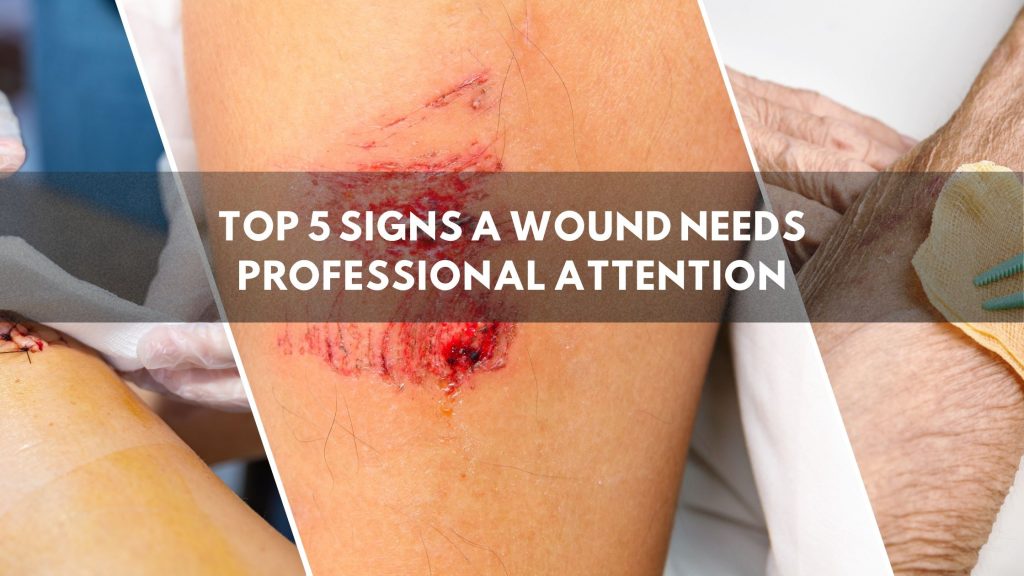
When you get a cut or scrape, the first thing you probably do is clean it and put a bandage on it. This is usually enough for most minor injuries. But sometimes, a wound can be more serious than it seems. Knowing the signs that a wound needs professional attention is a vital skill. It […]
Wanting to look your best is natural. As we get older, lines and wrinkles can appear. Sometimes we lose fullness in our face. Two popular ways to address these changes are Botox and fillers. You might have heard of both. You might be wondering which one is right for you. It’s important to know the […]
Understanding the Role of Nutrition in Wellness
Nutrition plays a pivotal role in achieving and maintaining overall wellness. It encompasses not just the foods we consume but also how they affect our body functions, mood, and energy levels. By understanding the importance of a balanced diet, individuals can make informed choices that promote longevity and optimal health.
For instance, incorporating a variety of whole foods, such as fruits, vegetables, lean proteins, and healthy fats, can help reduce the risk of chronic diseases. Studies have shown that diets rich in antioxidants and essential nutrients enhance immune function and support mental clarity, ultimately contributing to a higher quality of life.
The Importance of Sleep for Health and Performance
Sleep is a fundamental aspect of health that is often overlooked. Adequate sleep is crucial for physical recovery, cognitive function, and emotional well-being. Understanding the science behind sleep can empower individuals to prioritize it as a vital component of their overall wellness strategy.
Research indicates that adults should aim for 7-9 hours of quality sleep each night. Poor sleep patterns can lead to numerous health issues, including obesity, heart disease, and depression. By establishing a consistent sleep routine and creating a restful environment, individuals can significantly enhance their health and daily performance.
Integrating Mindfulness Practices into Daily Life
Mindfulness practices, such as meditation and deep breathing, have gained recognition for their benefits to mental and physical health. These techniques help individuals manage stress, improve focus, and cultivate a sense of calm amidst the chaos of daily life. Integrating mindfulness into one’s routine can lead to profound changes in overall wellness.
For example, studies have shown that regular mindfulness practice can reduce anxiety and improve emotional regulation. Simple practices, such as mindful eating or a few minutes of meditation each day, can enhance self-awareness and promote a more balanced lifestyle, ultimately contributing to long-term health benefits.
Exploring the Connection Between Mental and Physical Health
The interplay between mental and physical health is a critical area of focus in wellness. Mental health can significantly impact physical well-being, and vice versa. Recognizing this connection is essential for a holistic approach to health that addresses both mind and body.
For instance, individuals suffering from chronic stress may experience physical symptoms such as headaches or digestive issues. Conversely, regular physical activity is known to improve mood and reduce symptoms of anxiety and depression. By addressing both aspects, individuals can create a comprehensive wellness plan that fosters resilience and vitality.
Understanding the Role of Nutrition in Wellness
Nutrition plays a pivotal role in achieving and maintaining overall wellness. It encompasses not just the foods we consume but also how they affect our body functions, mood, and energy levels. By understanding the importance of a balanced diet, individuals can make informed choices that promote longevity and optimal health.
For instance, incorporating a variety of whole foods, such as fruits, vegetables, lean proteins, and healthy fats, can help reduce the risk of chronic diseases. Studies have shown that diets rich in antioxidants and essential nutrients enhance immune function and support mental clarity, ultimately contributing to a higher quality of life.
The Importance of Sleep for Health and Performance
Sleep is a fundamental aspect of health that is often overlooked. Adequate sleep is crucial for physical recovery, cognitive function, and emotional well-being. Understanding the science behind sleep can empower individuals to prioritize it as a vital component of their overall wellness strategy.
Research indicates that adults should aim for 7-9 hours of quality sleep each night. Poor sleep patterns can lead to numerous health issues, including obesity, heart disease, and depression. By establishing a consistent sleep routine and creating a restful environment, individuals can significantly enhance their health and daily performance.
Integrating Mindfulness Practices into Daily Life
Mindfulness practices, such as meditation and deep breathing, have gained recognition for their benefits to mental and physical health. These techniques help individuals manage stress, improve focus, and cultivate a sense of calm amidst the chaos of daily life. Integrating mindfulness into one’s routine can lead to profound changes in overall wellness.
For example, studies have shown that regular mindfulness practice can reduce anxiety and improve emotional regulation. Simple practices, such as mindful eating or a few minutes of meditation each day, can enhance self-awareness and promote a more balanced lifestyle, ultimately contributing to long-term health benefits.
Exploring the Connection Between Mental and Physical Health
The interplay between mental and physical health is a critical area of focus in wellness. Mental health can significantly impact physical well-being, and vice versa. Recognizing this connection is essential for a holistic approach to health that addresses both mind and body.
For instance, individuals suffering from chronic stress may experience physical symptoms such as headaches or digestive issues. Conversely, regular physical activity is known to improve mood and reduce symptoms of anxiety and depression. By addressing both aspects, individuals can create a comprehensive wellness plan that fosters resilience and vitality.