
AI and Human Cognition in Healthcare

The debate over AI potentially replacing doctors often overlooks its impact on our well-being. This essay discusses how the anticipated “intelligence explosion” interacts with our human nervous system and proposes a partnership with AI that honors our physical and emotional experiences rather than discarding them.
Can Telehealth Hold Sacred Space for Deep Healing?

The first time a patient cried on a video visit, something shifted. The screen disappeared, the exam room dissolved, and what remained was what medicine has always been at its best: two humans in a moment of truth, willing to tell the whole story. Telehealth is often dismissed as transactional—quick prescriptions, rushed check‑ins, a cold […]
Hormones as the Body’s Language of Meaning, Not Just Molecules

When a patient says, “I feel like a different person in this body,” they are rarely talking only about lab numbers. They are talking about meaning: Who am I now? What happened to my energy, my desire, my steadiness, my sense of myself? Hormones sit at the center of that question. They are not just […]
Peptides, Enhancement, and Ethics: What Doctors Owe Their Patients and Themselves
A patient sits across from me, asking about peptides for muscle recovery and anti-aging. “I’ve been reading about BPC-157 and CJC-1295,” he says. “My training partner swears by them. Can you prescribe these?” This is the moment where medicine intersects with ethics, performance, and enhancement. And honestly? These conversations are getting more common—and more complicated. The Rise of […]
From Burned-Out Internist to Competing Physician: How Performance Changed My Medicine

I was 20 pounds overweight, chronically exhausted, and running on coffee and willpower. As an internal medicine hospitalist, I spent 12-hour shifts managing other people’s health crises while my own body was quietly falling apart. The irony wasn’t lost on me. One night, after another brutal shift, I caught my reflection in the hospital bathroom […]
Why Root-Cause Medicine Is the Only Honest Way to Practice in 2025

It was 2 AM, and I was staring at another prescription pad. The patient in front of me—exhausted, in pain, desperate for answers—had been through five specialists already. Each one had ordered tests, written scripts, and sent her on her way. And now she was in my office, hoping I’d be different. But I wasn’t. […]
Workplace Burnout and Functional Medicine: A Strategic Intervention – Applying Functional Medicine for Burnout
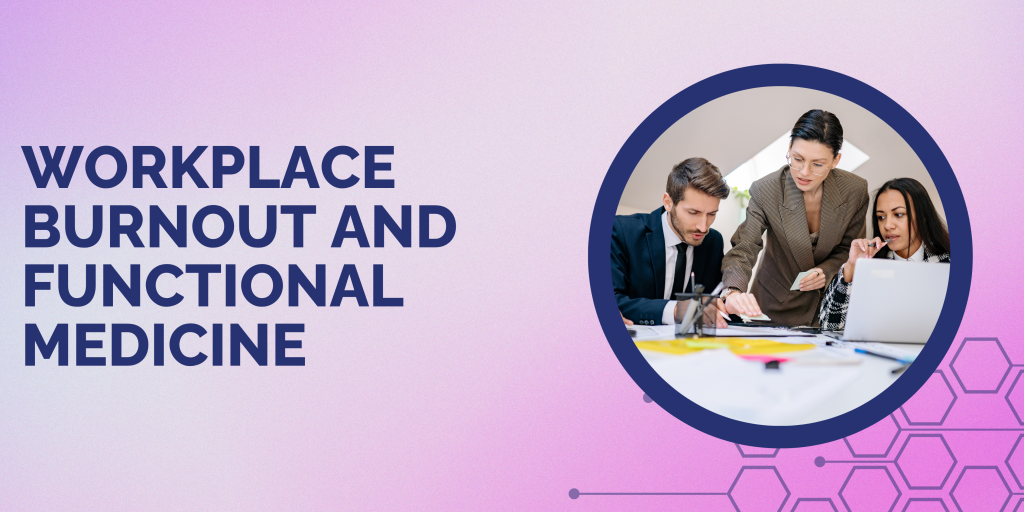
Workplace burnout is everywhere. It’s the feeling of total exhaustion, cynicism about your job, and a sense of ineffectiveness. For many, it’s a silent epidemic. The conventional wisdom often advises a vacation. Or to “take it easy.” But these solutions are often temporary. They don’t address the underlying issue. They don’t heal the body’s systems […]
Beyond Generic Advice: How Nutrigenetics and Functional Medicine Bridge the Gap Between Your Diet and Your DNA
For years, nutrition advice felt like a one-size-fits-all solution. “Eat less fat.” “Eat more whole grains.” While well-intentioned, these broad guidelines often left many people confused, frustrated, and still struggling with their health. We know that what works for one person might not work for another. Why is this? The answer lies hidden within our […]
Gut Health and Fat Storage: What’s the Connection?
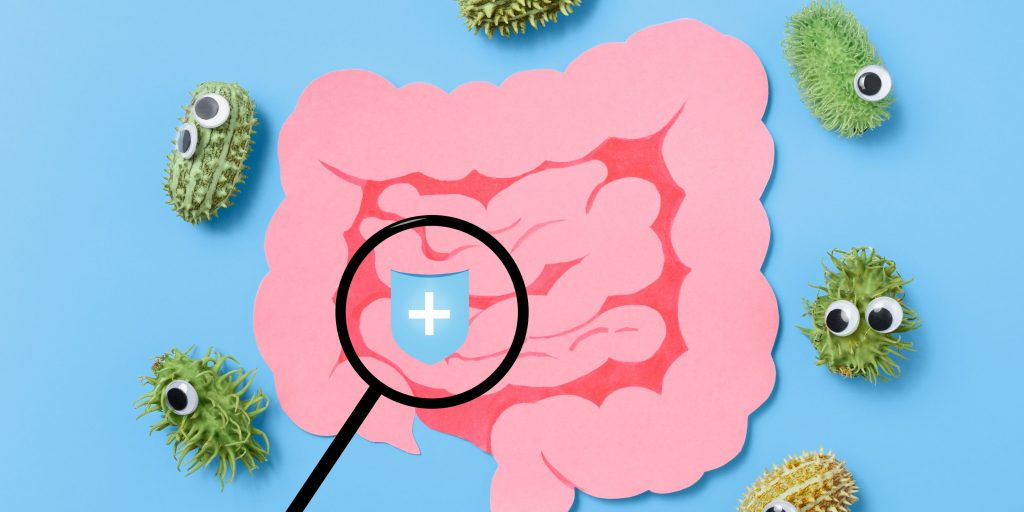
Have you ever wondered why losing weight feels like an uphill battle, even when you’re doing everything “right”? You might be overlooking a silent, powerful player: your gut. Yes, the trillions of microbes living inside you, collectively known as your gut microbiome, play a surprisingly significant role in how your body stores fat. It’s a […]
The Silent Crisis: Addressing Workplace Mental Health for Men

In boardrooms and breakrooms, on factory floors and in remote offices, a quiet crisis is unfolding. While conversations about mental health in the workplace are thankfully increasing, one crucial demographic often remains shrouded in silence: men. Societal expectations, ingrained cultural norms, and a reluctance to show vulnerability often prevent men from acknowledging, let alone addressing, […]