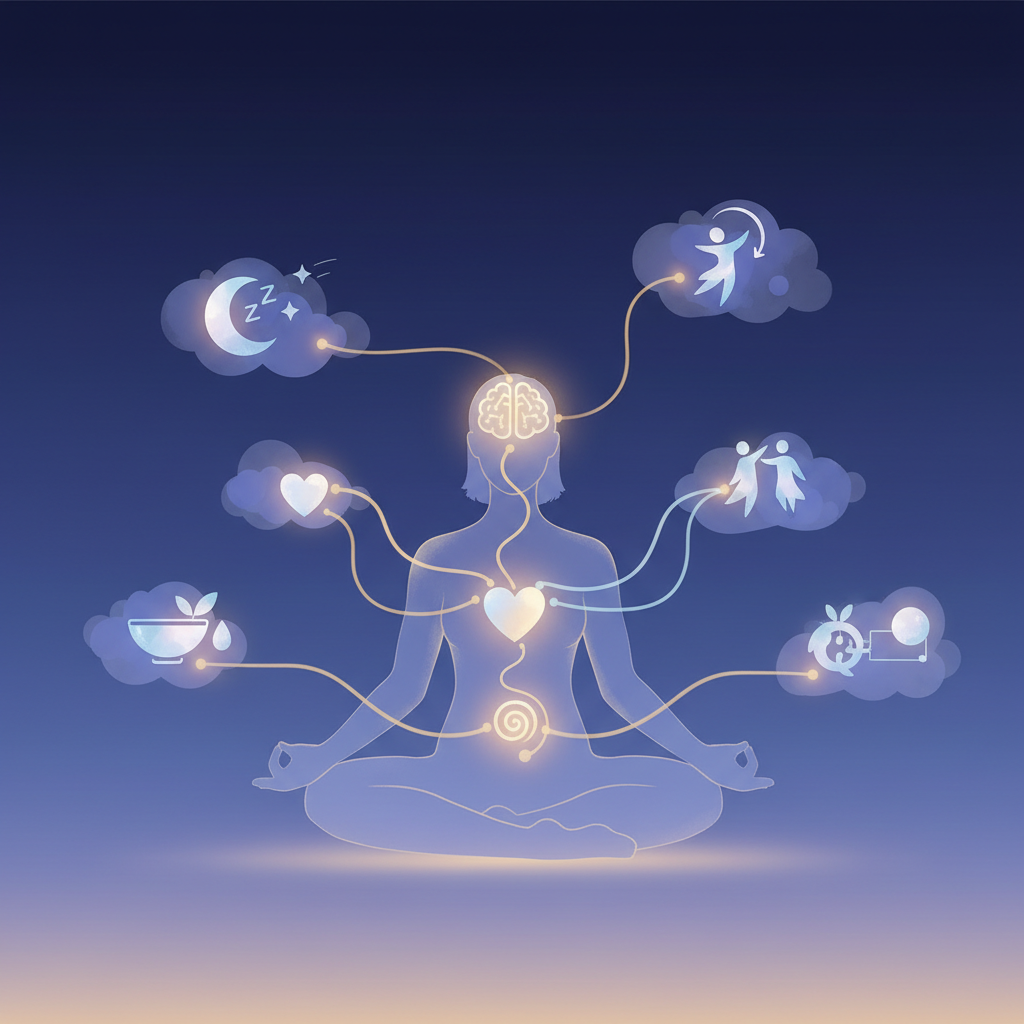
When a patient says, “I feel like a different person in this body,” they are rarely talking only about lab numbers. They are talking about meaning: Who am I now? What happened to my energy, my desire, my steadiness, my sense of myself? Hormones sit at the center of that question. They are not just […]
A patient sits across from me, asking about peptides for muscle recovery and anti-aging. “I’ve been reading about BPC-157 and CJC-1295,” he says. “My training partner swears by them. Can you prescribe these?” This is the moment where medicine intersects with ethics, performance, and enhancement. And honestly? These conversations are getting more common—and more complicated. The Rise of […]

I was 20 pounds overweight, chronically exhausted, and running on coffee and willpower. As an internal medicine hospitalist, I spent 12-hour shifts managing other people’s health crises while my own body was quietly falling apart. The irony wasn’t lost on me. One night, after another brutal shift, I caught my reflection in the hospital bathroom […]
The Importance of Hormone Balancing in Overall Health
Hormone balancing is crucial for maintaining optimal health and well-being. Hormones serve as chemical messengers that regulate various bodily functions, including metabolism, mood, and reproductive health. When these hormones are out of balance, individuals may experience a range of symptoms, from fatigue and weight gain to anxiety and depression.
For instance, conditions such as hypothyroidism can lead to significant energy drops, while imbalances in estrogen and testosterone can affect libido and muscle mass. Understanding the role of hormones in overall health empowers patients to seek appropriate interventions, such as hormone therapy, to restore balance and improve quality of life.
Understanding Hormone Therapy: Benefits and Risks
Hormone therapy can offer numerous benefits, particularly for individuals experiencing hormone deficiencies due to aging or medical conditions. This therapy aims to restore hormonal balance, alleviating symptoms like hot flashes, night sweats, and mood swings, thus enhancing overall well-being.
However, it is essential to consider the potential risks associated with hormone therapy, such as increased chances of certain health conditions. Patients should engage in thorough consultations with healthcare providers to weigh the benefits against the risks, ensuring informed decisions tailored to their health needs.
Integrating Functional Medicine with Hormone Therapy
Functional medicine focuses on identifying and addressing the root causes of health issues, making it a complementary approach to hormone therapy. By considering factors like diet, lifestyle, and genetic predispositions, functional medicine practitioners can create personalized treatment plans that enhance the effectiveness of hormone therapy.
For example, incorporating nutritional changes and stress management techniques can significantly improve hormonal health. This holistic approach not only addresses symptoms but also promotes long-term wellness by fostering a deeper understanding of the interplay between hormones and overall health.
Patient Testimonials: Real-Life Experiences with Hormone Therapy
Hearing from patients who have undergone hormone therapy can provide valuable insights into its effectiveness and impact on quality of life. Many individuals report transformative experiences, noting improvements in energy levels, mood stability, and overall vitality after starting treatment.
For instance, one patient shared how hormone therapy helped her regain her zest for life, allowing her to engage more fully in activities she once enjoyed. These testimonials highlight the potential of hormone therapy to not only alleviate symptoms but also enhance the overall quality of life for individuals seeking help.