About Dr. Shiv Kumar Goel’s Total Wellness & Longevity Services
There is a moment that happens over and over in aesthetic practice. A patient looks in the mirror after a subtle change—skin clearer, jawline more defined, eyes brighter—and says a quiet sentence: “I finally recognize myself again.” This is not vanity. It is recognition. It is the nervous system exhaling after years of feeling like […]
When a patient says, “I feel like a different person in this body,” they are rarely talking only about lab numbers. They are talking about meaning: Who am I now? What happened to my energy, my desire, my steadiness, my sense of myself? Hormones sit at the center of that question. They are not just […]
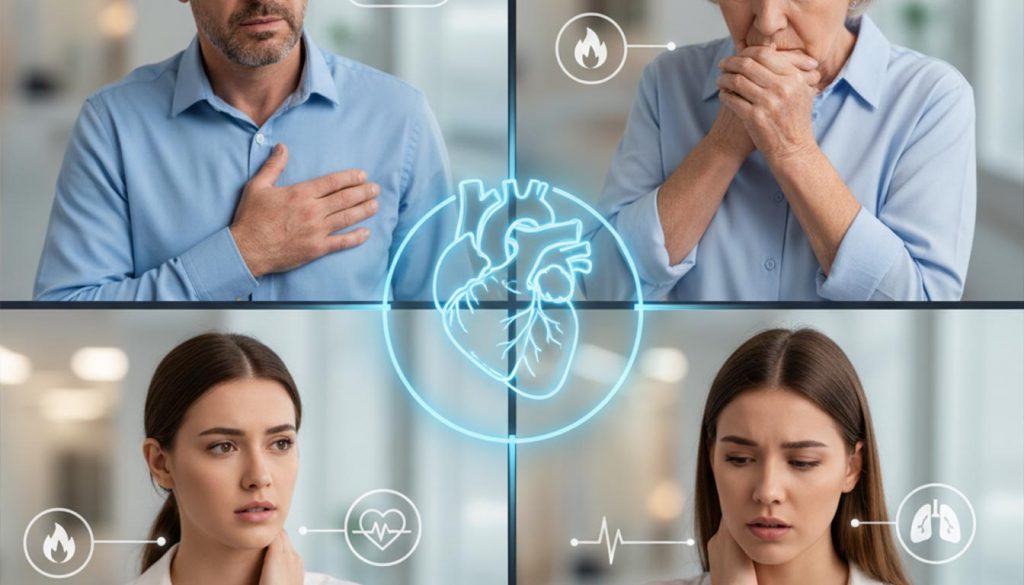
Introduction Your heart is one of the most vital organs in your body, and taking proactive steps to protect it is essential for long-term health. While occasional fatigue or mild chest discomfort might seem harmless, these symptoms can sometimes indicate underlying cardiovascular issues. Knowing when to schedule a heart checkup with a qualified cardiologist can […]
Wanting to look your best is natural. As we get older, lines and wrinkles can appear. Sometimes we lose fullness in our face. Two popular ways to address these changes are Botox and fillers. You might have heard of both. You might be wondering which one is right for you. It’s important to know the […]
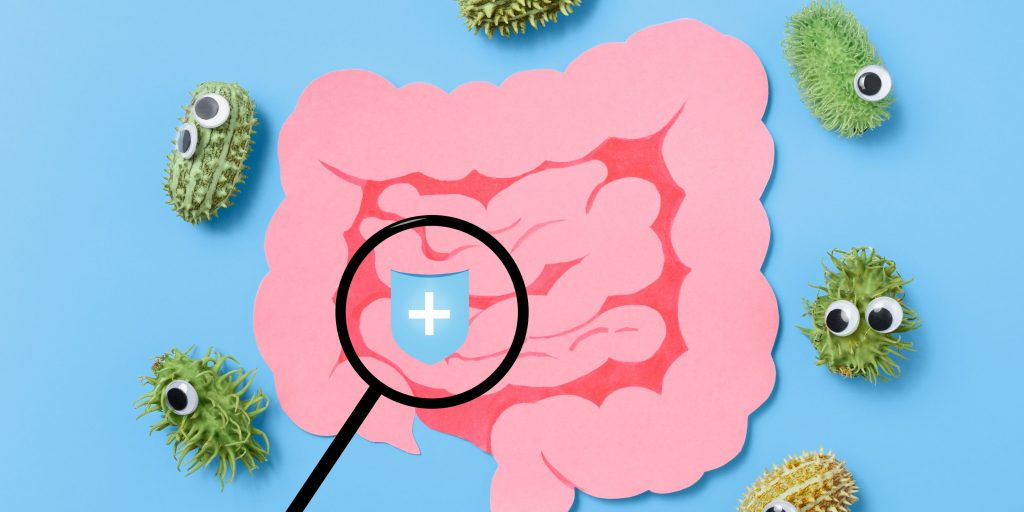
Have you ever wondered why losing weight feels like an uphill battle, even when you’re doing everything “right”? You might be overlooking a silent, powerful player: your gut. Yes, the trillions of microbes living inside you, collectively known as your gut microbiome, play a surprisingly significant role in how your body stores fat. It’s a […]
In boardrooms and breakrooms, on factory floors and in remote offices, a quiet crisis is unfolding. While conversations about mental health in the workplace are thankfully increasing, one crucial demographic often remains shrouded in silence: men. Societal expectations, ingrained cultural norms, and a reluctance to show vulnerability often prevent men from acknowledging, let alone addressing, […]
In today’s fast-paced world, it’s common to feel drained, fatigued, or out of sync—but these symptoms might be more than just a busy schedule. They could be signs of hormonal imbalances that affect everything from your energy levels to your overall wellness. Functional medicine takes a deep dive into understanding these imbalances and offers a […]
In today’s digital world, most professionals spend hours glued to their desks—responding to emails, attending virtual meetings, and managing daily tasks. While this routine boosts productivity, it silently chips away at our health. Prolonged sitting is linked to weight gain, poor posture, back pain, and even increased risks of chronic diseases like diabetes and cardiovascular […]
Access to quality healthcare has long been a challenge for people living in rural communities. From limited clinics and specialists to long travel times, rural residents often face significant barriers when it comes to timely and consistent care. But thanks to the rise of telehealth, the healthcare landscape is transforming—and for the better. At Prime […]
Life doesn’t always go as planned. Whether it’s the loss of a job, health challenges, or emotional turmoil, tough times can test us in ways we never imagined. But what makes some people bounce back stronger while others struggle to recover? The answer lies in emotional resilience—the ability to adapt, grow, and thrive through adversity. […]
Understanding the Role of Nutrition in Total Wellness
Nutrition plays a pivotal role in achieving total wellness. The foods we consume directly impact our physical health, mental well-being, and overall longevity. A balanced diet rich in whole foods, vitamins, and minerals can enhance energy levels, improve mood, and reduce the risk of chronic diseases.
For instance, incorporating a variety of fruits and vegetables provides essential nutrients that support immune function and cardiovascular health. Additionally, understanding macronutrients—proteins, fats, and carbohydrates—can help individuals tailor their diets to meet specific health goals, whether it’s weight management or muscle building.
Exploring the Connection Between Mental and Physical Health
The interplay between mental and physical health is profound, as one significantly influences the other. Mental health issues can manifest physically, leading to symptoms like fatigue, pain, and digestive problems. Conversely, physical health challenges can exacerbate mental health conditions, creating a cycle that is difficult to break.
For example, regular physical activity is known to release endorphins, which can alleviate symptoms of anxiety and depression. Likewise, practices such as mindfulness and stress management can improve physical health outcomes by reducing inflammation and promoting healthier lifestyle choices.
Innovations in Telehealth: The Future of Patient Care
Telehealth has revolutionized the way healthcare is delivered, offering patients greater access to medical services without the constraints of geographical barriers. This innovation is particularly beneficial for individuals in rural areas or those with mobility challenges, allowing them to receive timely care from the comfort of their homes.
Recent advancements in telehealth technologies, such as virtual consultations and remote monitoring tools, have enhanced patient engagement and adherence to treatment plans. For instance, wearable devices can track vital signs and health metrics, providing healthcare providers with real-time data to make informed decisions about patient care.
Strategies for Maintaining Work-Life Balance
Achieving a healthy work-life balance is essential for overall well-being. Many individuals struggle to juggle professional responsibilities with personal life, leading to stress and burnout. Implementing effective strategies can help create boundaries that preserve mental health and enhance productivity.
For example, setting specific work hours and taking regular breaks can improve focus and reduce fatigue. Additionally, engaging in hobbies and spending quality time with loved ones can provide a necessary respite from work-related stressors, promoting a more fulfilling life.
Understanding the Role of Nutrition in Total Wellness
Nutrition plays a pivotal role in achieving total wellness. The foods we consume directly impact our physical health, mental well-being, and overall longevity. A balanced diet rich in whole foods, vitamins, and minerals can enhance energy levels, improve mood, and reduce the risk of chronic diseases.
For instance, incorporating a variety of fruits and vegetables provides essential nutrients that support immune function and cardiovascular health. Additionally, understanding macronutrients—proteins, fats, and carbohydrates—can help individuals tailor their diets to meet specific health goals, whether it’s weight management or muscle building.
Exploring the Connection Between Mental and Physical Health
The interplay between mental and physical health is profound, as one significantly influences the other. Mental health issues can manifest physically, leading to symptoms like fatigue, pain, and digestive problems. Conversely, physical health challenges can exacerbate mental health conditions, creating a cycle that is difficult to break.
For example, regular physical activity is known to release endorphins, which can alleviate symptoms of anxiety and depression. Likewise, practices such as mindfulness and stress management can improve physical health outcomes by reducing inflammation and promoting healthier lifestyle choices.
Innovations in Telehealth: The Future of Patient Care
Telehealth has revolutionized the way healthcare is delivered, offering patients greater access to medical services without the constraints of geographical barriers. This innovation is particularly beneficial for individuals in rural areas or those with mobility challenges, allowing them to receive timely care from the comfort of their homes.
Recent advancements in telehealth technologies, such as virtual consultations and remote monitoring tools, have enhanced patient engagement and adherence to treatment plans. For instance, wearable devices can track vital signs and health metrics, providing healthcare providers with real-time data to make informed decisions about patient care.
Strategies for Maintaining Work-Life Balance
Achieving a healthy work-life balance is essential for overall well-being. Many individuals struggle to juggle professional responsibilities with personal life, leading to stress and burnout. Implementing effective strategies can help create boundaries that preserve mental health and enhance productivity.
For example, setting specific work hours and taking regular breaks can improve focus and reduce fatigue. Additionally, engaging in hobbies and spending quality time with loved ones can provide a necessary respite from work-related stressors, promoting a more fulfilling life.