
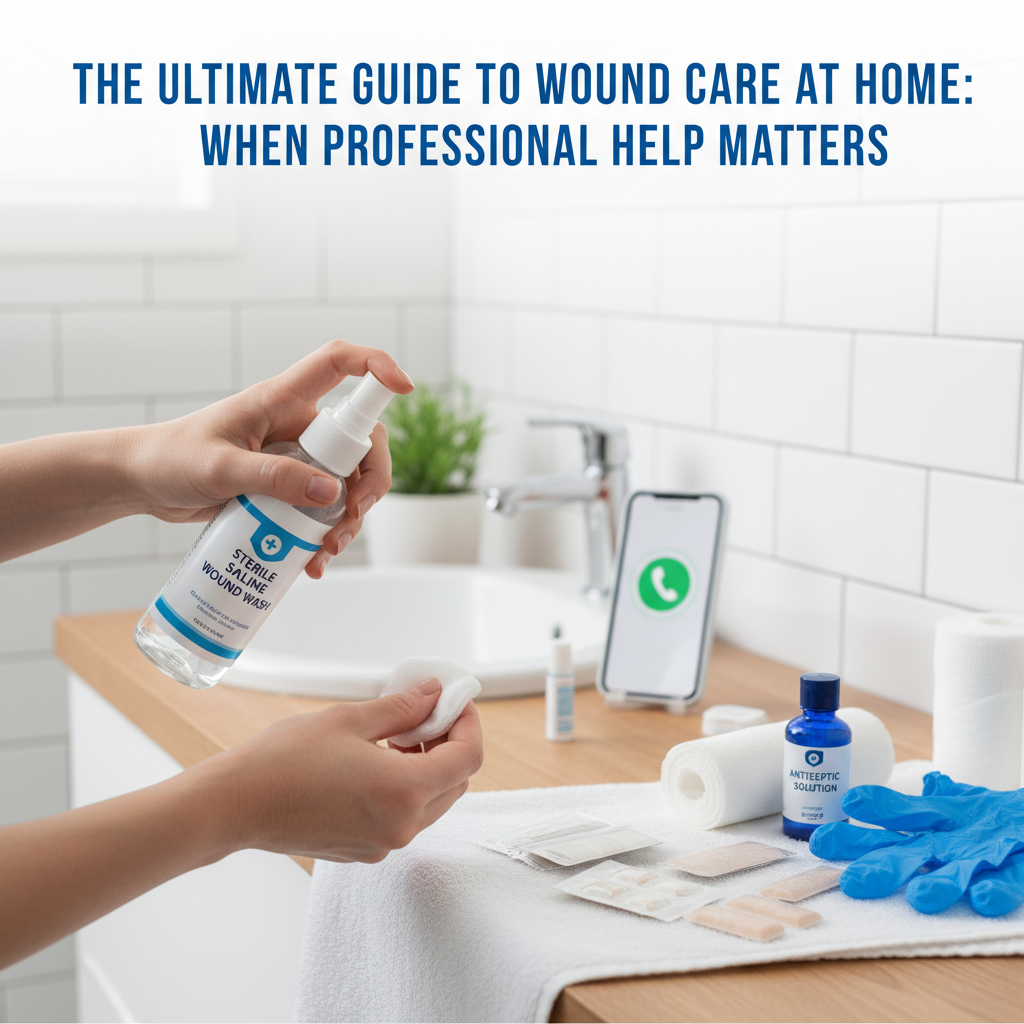
Proper wound care is essential for healing and preventing complications. Whether you’re dealing with a minor scrape or managing a chronic wound, understanding the fundamentals of wound care can significantly impact recovery outcomes. In this comprehensive guide, we’ll explore wound care basics, when to seek professional help, and how in-home wound care services can transform your healing journey.
Understanding Different Types of Wounds
Acute Wounds:
Acute wounds occur suddenly and typically heal within a predictable timeframe with proper care:
Surgical incisions from recent procedures
Traumatic wounds from accidents or injuries
Minor cuts and abrasions from daily activities
Burns from heat, chemicals, or radiation
Most acute wounds heal within 2-4 weeks with appropriate first aid and monitoring.
Chronic Wounds:
Chronic wounds persist beyond the normal healing period, often due to underlying health conditions:
Diabetic ulcers affecting feet and lower extremities
Pressure ulcers (bedsores) from prolonged immobility
Venous leg ulcers from poor circulation
Arterial ulcers from insufficient blood flow
Chronic wounds require specialized medical attention to address both the wound and underlying conditions.
Essential Wound Care Principles
The Four Stages of Wound Healing
Understanding how wounds heal helps you provide appropriate care at each stage:
1. Hemostasis (Immediate)
Blood clotting stops bleeding
Platelets create a temporary plug
Usually completes within minutes to hours
2. Inflammation (Days 1-4)
Increased blood flow causes redness and warmth
White blood cells fight infection
Mild swelling is normal during this phase
3. Proliferation (Days 4-21)
New tissue begins forming
Blood vessels regenerate
Wound contracts and closes
4. Remodeling (Weeks to Months)
Scar tissue strengthens
Wound reaches maximum strength (about 80% of original)
Final appearance develops
Basic Wound Care Steps at Home
Initial Treatment
Clean hands thoroughly with soap and water
Stop bleeding by applying gentle, direct pressure
Rinse the wound with clean water (avoid hydrogen peroxide or alcohol on deep wounds)
Remove debris carefully with clean tweezers if needed
Apply antibiotic ointment to prevent infection
Cover with appropriate dressing to protect from bacteria
Daily Wound Maintenance
Change dressings at least once daily or when wet/soiled
Monitor for infection signs: increased redness, swelling, warmth, pus, or foul odor
Keep the area clean and dry between dressing changes
Avoid picking or scratching healing tissue
Maintain good nutrition to support healing (protein, vitamins C and A, zinc)
Red Flags: When to Seek Professional Wound Care
Immediate Medical Attention Required
Contact a healthcare provider immediately if you notice:
Excessive bleeding that doesn’t stop with pressure
Deep wounds exposing muscle, bone, or tendons
Wounds caused by rusty metal, animal bites, or dirty objects
Signs of infection: fever, red streaks, increasing pain, pus
Foreign objects embedded in the wound
Loss of sensation or movement near the wound
Chronic Wound Warning Signs.
For existing wounds that aren’t healing, seek professional help if:
No improvement after 2 weeks of home care
Wound is getting larger or deeper
Increasing pain or discomfort
Foul odor emanating from the wound
Surrounding skin appears black, blue, or very pale
Special Considerations for High-Risk Patients
Diabetes and Wound Care
Individuals with diabetes face unique wound healing challenges:
Reduced circulation slows healing process
Neuropathy may mask pain, delaying treatment
Higher infection risk due to elevated blood sugar
Requires meticulous daily foot inspections
Professional monitoring is essential for any foot wound
Elderly Patients
Aging affects wound healing capacity:
Thinner skin is more vulnerable to injury
Decreased immune response increases infection risk
Multiple medications may interfere with healing
Mobility limitations can cause pressure ulcers
Chronic conditions complicate wound management
Post-Surgical Care
Surgical incisions require specialized attention:
Follow surgeon’s specific dressing change instructions
Watch for dehiscence (wound opening)
Monitor for surgical site infections
Avoid activities that stress the incision
Attend all follow-up appointments
The Advantages of Professional In-Home Wound Care
Why Choose In-Home Wound Care Services?
Convenience and Comfort
Receive expert care in familiar surroundings
Eliminate stressful trips to clinics
Reduce exposure to hospital-acquired infections
Maintain daily routines while healing
Personalized Care Plans
Comprehensive wound assessment by medical professionals
Treatment tailored to your specific wound type and health conditions
Regular monitoring and adjustment of care protocols
Direct communication with healthcare providers
Advanced Treatment Options Professional wound care specialists offer therapies unavailable in typical home settings:
Negative pressure wound therapy for complex wounds
Specialized dressings (hydrogels, hydrocolloids, alginates)
Debridement to remove dead tissue
Compression therapy for venous ulcers
Advanced infection management
Better Outcomes Studies show professional wound care management leads to:
Faster healing times compared to self-care alone
Lower infection rates with proper monitoring
Reduced hospitalization risk from complications
Improved quality of life during recovery
Wound Care Supplies: What You Need at Home
Basic Wound Care Kit
Stock these essentials for minor wound management:
Sterile gauze pads (various sizes)
Medical tape (hypoallergenic)
Adhesive bandages
Antibiotic ointment
Saline solution for cleaning
Disposable gloves
Scissors and tweezers (sterilized)
Elastic bandages for compression
Advanced Supplies (Under Professional Guidance)
Hydrogel dressings for dry wounds
Foam dressings for moderate drainage
Calcium alginate for heavy drainage
Transparent film dressings
Compression wraps
Wound cleansers
Nutrition for Optimal Wound Healing
Key Nutrients for Recovery
Protein
Builds new tissue and repairs damage
Sources: lean meats, fish, eggs, legumes, dairy
Goal: 1.2-1.5g per kg body weight daily
Vitamin C
Essential for collagen formation
Sources: citrus fruits, berries, bell peppers, broccoli
Goal: 100-200mg daily for wound healing
Vitamin A
Supports immune function and epithelial development
Sources: sweet potatoes, carrots, dark leafy greens
Goal: 900mcg (men) / 700mcg (women) daily
Zinc
Facilitates protein synthesis and cell division
Sources: oysters, beef, pumpkin seeds, chickpeas
Goal: 15-30mg daily during wound healing
Hydration
Maintains skin elasticity and supports circulation
Goal: 8-10 glasses of water daily
Preventing Wound Complications
Infection Prevention Strategies
Hand hygiene before and after wound care
Use sterile technique when changing dressings
Keep wounds covered to protect from bacteria
Monitor temperature regularly
Control blood sugar if diabetic
Don’t share wound care supplies
Lifestyle Factors That Support Healing
Quit smoking: Nicotine constricts blood vessels, reducing oxygen to wounds
Manage stress: Chronic stress impairs immune function
Get adequate sleep: Growth hormone released during sleep aids healing
Stay active within medical limitations to promote circulation
Control chronic conditions: Diabetes, vascular disease, autoimmune disorders
When In-Home Professional Wound Care is the Right Choice
Ideal Candidates for Home-Based Wound Care
Post-Surgical Patients
Recovering from procedures requiring extensive wound management
Need specialized incision care
Prefer healing in comfortable home environment
Chronic Wound Sufferers
Long-term diabetic ulcers requiring ongoing treatment
Persistent pressure ulcers from limited mobility
Venous or arterial insufficiency wounds
Mobility-Limited Individuals
Difficulty traveling to medical appointments
Bedridden or wheelchair-bound patients
Elderly individuals with transportation challenges
Busy Professionals
Need flexible appointment scheduling
Want to maintain work and family commitments
Prefer discreet, convenient care
Questions to Ask Your Wound Care Provider
When considering professional in-home wound care, ask:
What qualifications and experience do your wound care specialists have?
How often will visits occur, and can the schedule be adjusted?
What types of wounds do you specialize in treating?
What advanced therapies are available if standard care isn’t effective?
How do you communicate with my primary care physician?
What insurance plans do you accept?
How do you handle after-hours emergencies or concerns?
What is your success rate with wounds similar to mine?
The Future of Wound Care: Emerging Technologies
Innovative Treatment Approaches
Modern wound care continues evolving with new technologies:
Bioengineered skin substitutes for chronic wounds
Growth factor therapies to accelerate healing
Electrical stimulation to promote tissue regeneration
Hyperbaric oxygen therapy for non-healing wounds
Smart dressings that monitor healing progress
Telemedicine integration for remote monitoring
Taking the Next Step: Professional Wound Care Support.
Proper wound management requires expertise, especially for complex or chronic wounds. If you’re dealing with a wound that won’t heal, experiencing complications, or simply want the peace of mind that comes with professional oversight, in-home wound care services offer the perfect solution.
Expert wound care specialists bring medical-grade treatments and personalized care plans directly to your home, eliminating the hassle of clinical visits while ensuring optimal healing conditions. With comprehensive assessment, advanced treatment options, and ongoing monitoring, professional in-home wound care significantly improves outcomes while maintaining your comfort and convenience.
Ready to Experience Professional In-Home Wound Care?
Don’t let wound care concerns disrupt your life or compromise your health. Professional in-home wound care services in San Antonio provide:
✅ Board-certified physicians specializing in wound management
✅ Customized treatment plans based on your specific needs
✅ Advanced therapies typically only available in clinical settings
✅ Flexible scheduling that works with your lifestyle
✅ Comprehensive coordination with your existing healthcare team
Schedule your in-home wound care assessment today and take the first step toward faster, safer healing in the comfort of your own home.
Learn more about our comprehensive in-home wound care services →
FAQs About Wound Care
- How long should a wound take to heal? Minor wounds typically heal within 1-2 weeks. Surgical incisions may take 2-4 weeks. Chronic wounds require longer timeframes and often need professional intervention.
- Should I let a wound air out or keep it covered? Keep wounds covered with appropriate dressings. Moist wound healing (using proper dressings) is proven more effective than “airing out” wounds.
- When should I change wound dressings? Change dressings daily or whenever they become wet, soiled, or loose. Some advanced dressings can remain in place for several days under professional guidance.
- Can I shower with a wound? Consult your healthcare provider. Generally, brief showers are acceptable with waterproof dressings, but avoid soaking wounds in bathtubs or pools.
- What causes a wound to smell bad? Foul odor usually indicates infection or dead tissue. Contact a healthcare provider immediately if your wound develops an unpleasant smell.
- Are natural remedies effective for wound care? Some natural products like honey or aloe have mild benefits, but evidence-based medical treatments are more effective. Always consult professionals for significant wounds.
This guide provides general information about wound care. For personalized medical advice, diagnosis, or treatment, always consult qualified healthcare professionals. If you have a wound that’s not healing or shows signs of infection, seek professional medical attention immediately.