The first time a patient cried on a video visit, something shifted. The screen disappeared, the exam room dissolved, and what remained was what medicine has always been at its best: two humans in a moment of truth, willing to tell the whole story. Telehealth is often dismissed as transactional—quick prescriptions, rushed check‑ins, a cold […]
When a patient says, “I feel like a different person in this body,” they are rarely talking only about lab numbers. They are talking about meaning: Who am I now? What happened to my energy, my desire, my steadiness, my sense of myself? Hormones sit at the center of that question. They are not just […]
A patient sits across from me, asking about peptides for muscle recovery and anti-aging. “I’ve been reading about BPC-157 and CJC-1295,” he says. “My training partner swears by them. Can you prescribe these?” This is the moment where medicine intersects with ethics, performance, and enhancement. And honestly? These conversations are getting more common—and more complicated. The Rise of […]
I was 20 pounds overweight, chronically exhausted, and running on coffee and willpower. As an internal medicine hospitalist, I spent 12-hour shifts managing other people’s health crises while my own body was quietly falling apart. The irony wasn’t lost on me. One night, after another brutal shift, I caught my reflection in the hospital bathroom […]
It was 2 AM, and I was staring at another prescription pad. The patient in front of me—exhausted, in pain, desperate for answers—had been through five specialists already. Each one had ordered tests, written scripts, and sent her on her way. And now she was in my office, hoping I’d be different. But I wasn’t. […]
The traditional healthcare system often feels like a maze. Long wait times. Rushed appointments. A sense of being just another number. Many people feel disconnected from their doctors. They struggle to get the personalized attention they truly need. This can lead to frustration. It can even compromise health outcomes. But what if high-level vitality healthcare […]
Workplace burnout is everywhere. It’s the feeling of total exhaustion, cynicism about your job, and a sense of ineffectiveness. For many, it’s a silent epidemic. The conventional wisdom often advises a vacation. Or to “take it easy.” But these solutions are often temporary. They don’t address the underlying issue. They don’t heal the body’s systems […]
For years, nutrition advice felt like a one-size-fits-all solution. “Eat less fat.” “Eat more whole grains.” While well-intentioned, these broad guidelines often left many people confused, frustrated, and still struggling with their health. We know that what works for one person might not work for another. Why is this? The answer lies hidden within our […]
Have you ever wondered why losing weight feels like an uphill battle, even when you’re doing everything “right”? You might be overlooking a silent, powerful player: your gut. Yes, the trillions of microbes living inside you, collectively known as your gut microbiome, play a surprisingly significant role in how your body stores fat. It’s a […]
When we think about health, most people focus on fitness, nutrition, or sleep, but what if the secret to better health lies in your gut? Over the past decade, research has revealed just how essential gut health is to nearly every system in the body. From digestion and immunity to mood and energy levels, your […]
The Importance of Personalized Health Strategies
Personalized health strategies are essential in functional medicine, as they take into account individual differences in genetics, environment, and lifestyle. This tailored approach helps practitioners create effective treatment plans that resonate with each patient's unique health journey.
For instance, two patients with the same diagnosis may respond differently to the same treatment due to variations in their genetic makeup or lifestyle choices. By focusing on personalized health strategies, functional medicine practitioners can enhance treatment efficacy and improve overall patient satisfaction.
Integrative Approaches to Chronic Disease Management
Integrative approaches to chronic disease management combine traditional medical practices with complementary therapies, emphasizing the whole person rather than just the illness. This holistic view allows for more comprehensive care, addressing not only the physical symptoms but also emotional and social factors influencing health.
For example, a patient with diabetes might benefit from dietary changes, exercise programs, and stress management techniques, creating a multifaceted treatment plan that supports their overall well-being. This approach not only helps manage symptoms but also empowers patients to take an active role in their health care.
Understanding the Role of Gut Health in Overall Wellness
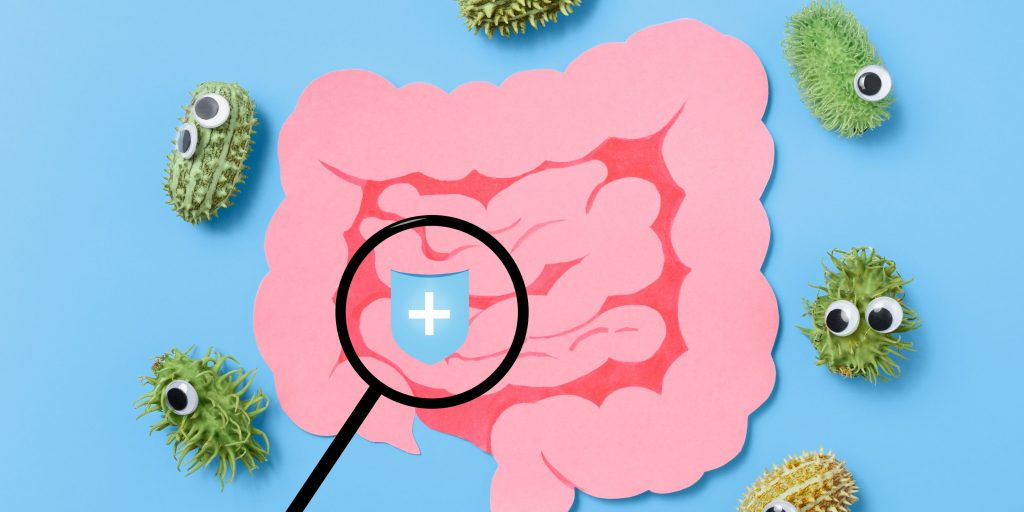
Gut health plays a crucial role in overall wellness, influencing everything from digestion to immune function and mental health. Functional medicine emphasizes the importance of a healthy gut microbiome, which can be affected by diet, lifestyle, and environmental factors.
Research has shown that a balanced gut microbiome can improve nutrient absorption and reduce inflammation, leading to better health outcomes. By focusing on gut health through dietary adjustments and probiotics, functional medicine practitioners can help patients achieve optimal wellness.
Exploring the Connection Between Stress and Physical Health
The connection between stress and physical health is well-documented, with chronic stress linked to various health issues, including heart disease, obesity, and autoimmune disorders. Functional medicine addresses this connection by incorporating stress management techniques into treatment plans.
For instance, mindfulness practices, yoga, and cognitive behavioral therapy can help patients manage stress effectively. By reducing stress levels, individuals can improve their overall health and enhance the effectiveness of other treatments they may be undergoing.
The Importance of Personalized Health Strategies
Personalized health strategies are essential in functional medicine, as they take into account individual differences in genetics, environment, and lifestyle. This tailored approach helps practitioners create effective treatment plans that resonate with each patient's unique health journey.
For instance, two patients with the same diagnosis may respond differently to the same treatment due to variations in their genetic makeup or lifestyle choices. By focusing on personalized health strategies, functional medicine practitioners can enhance treatment efficacy and improve overall patient satisfaction.
Integrative Approaches to Chronic Disease Management
Integrative approaches to chronic disease management combine traditional medical practices with complementary therapies, emphasizing the whole person rather than just the illness. This holistic view allows for more comprehensive care, addressing not only the physical symptoms but also emotional and social factors influencing health.
For example, a patient with diabetes might benefit from dietary changes, exercise programs, and stress management techniques, creating a multifaceted treatment plan that supports their overall well-being. This approach not only helps manage symptoms but also empowers patients to take an active role in their health care.
Understanding the Role of Gut Health in Overall Wellness
Gut health plays a crucial role in overall wellness, influencing everything from digestion to immune function and mental health. Functional medicine emphasizes the importance of a healthy gut microbiome, which can be affected by diet, lifestyle, and environmental factors.
Research has shown that a balanced gut microbiome can improve nutrient absorption and reduce inflammation, leading to better health outcomes. By focusing on gut health through dietary adjustments and probiotics, functional medicine practitioners can help patients achieve optimal wellness.
Exploring the Connection Between Stress and Physical Health
The connection between stress and physical health is well-documented, with chronic stress linked to various health issues, including heart disease, obesity, and autoimmune disorders. Functional medicine addresses this connection by incorporating stress management techniques into treatment plans.
For instance, mindfulness practices, yoga, and cognitive behavioral therapy can help patients manage stress effectively. By reducing stress levels, individuals can improve their overall health and enhance the effectiveness of other treatments they may be undergoing.