When a patient says, “I feel like a different person in this body,” they are rarely talking only about lab numbers. They are talking about meaning: Who am I now? What happened to my energy, my desire, my steadiness, my sense of myself? Hormones sit at the center of that question. They are not just […]
Introduction Your heart is one of the most vital organs in your body, and taking proactive steps to protect it is essential for long-term health. While occasional fatigue or mild chest discomfort might seem harmless, these symptoms can sometimes indicate underlying cardiovascular issues. Knowing when to schedule a heart checkup with a qualified cardiologist can […]
Erectile dysfunction (ED) is a topic often shrouded in silence and embarrassment. Many men feel isolated when they experience it. They believe they are alone. They fear it’s a sign of personal failure. This stigma, however, is built on a misunderstanding of the condition. In reality, ED is a highly prevalent medical issue. It affects […]
For many men, the 20s are all about visible gains. It’s about building muscle, pushing limits at the gym, and often feeling invincible. Health often feels like an automatic given. Subtle aches are dismissed. Energy dips are powered through with caffeine. The focus remains on immediate performance and appearance. However, as men enter their 30s, […]
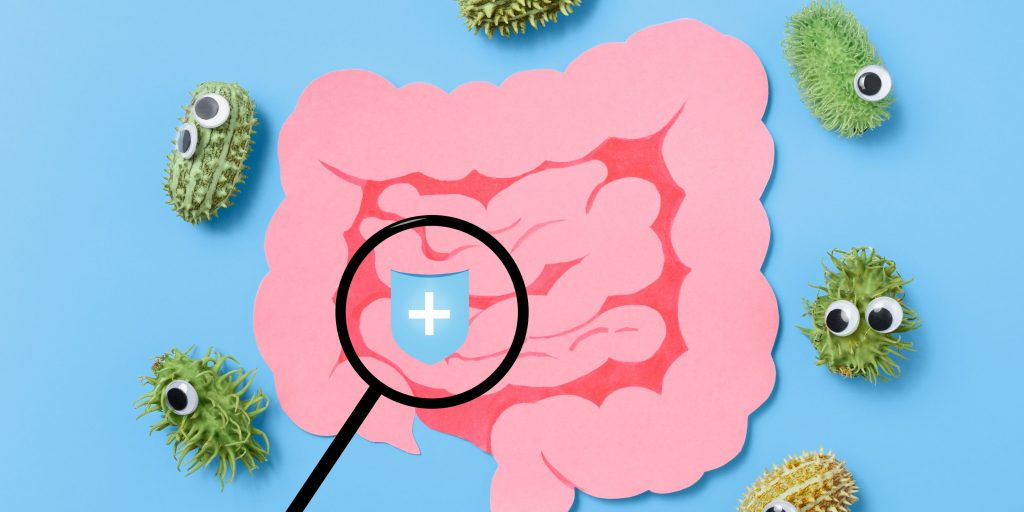
Have you ever wondered why losing weight feels like an uphill battle, even when you’re doing everything “right”? You might be overlooking a silent, powerful player: your gut. Yes, the trillions of microbes living inside you, collectively known as your gut microbiome, play a surprisingly significant role in how your body stores fat. It’s a […]
Understanding Hormonal Changes in Men
As men age, hormonal changes are a natural part of life that can significantly impact overall health and well-being. Testosterone levels typically decline, leading to various physical and emotional symptoms, including fatigue, decreased libido, and mood swings. Understanding these changes is crucial for men to navigate their health effectively.
Research indicates that maintaining balanced hormone levels can enhance quality of life. Regular check-ups and lifestyle adjustments, such as exercise and nutrition, can help manage these changes. For instance, engaging in strength training has been shown to boost testosterone levels, promoting both physical and mental health benefits.
Common Cardiovascular Issues in Men
Cardiovascular health is a critical concern for men, particularly as they age. Conditions such as hypertension, heart disease, and high cholesterol are prevalent and often go unnoticed until serious complications arise. Awareness of these issues is vital for early detection and management.
Statistics show that men are at a higher risk for heart disease compared to women, highlighting the importance of regular screenings and a heart-healthy lifestyle. Incorporating a balanced diet rich in fruits, vegetables, and whole grains, along with regular physical activity, can significantly reduce the risk of cardiovascular problems.
Preventing Erectile Dysfunction: Tips for Men
Erectile dysfunction (ED) is a common issue that affects many men, yet it remains a taboo subject. Understanding the factors that contribute to ED, including psychological and physical health, is essential for prevention and treatment. Open conversations about sexual health can help destigmatize this condition.
Several lifestyle changes can prevent or alleviate symptoms of ED. Maintaining a healthy weight, quitting smoking, and managing stress through mindfulness practices can greatly improve sexual function. Additionally, consulting with healthcare providers for regular assessments can help identify underlying health issues that may contribute to erectile dysfunction.
The Importance of Regular Health Check-ups
Regular health check-ups are crucial for men to monitor and maintain their overall health. These appointments provide an opportunity to screen for common health issues, discuss concerns, and receive personalized advice on lifestyle changes. Early detection of potential health problems can lead to more effective treatment and better outcomes.
Men should prioritize annual check-ups, especially as they reach middle age. Key screenings may include blood pressure checks, cholesterol levels, and prostate examinations. By staying proactive about their health, men can significantly improve their quality of life and longevity.
Understanding Hormonal Changes in Men
As men age, hormonal changes are a natural part of life that can significantly impact overall health and well-being. Testosterone levels typically decline, leading to various physical and emotional symptoms, including fatigue, decreased libido, and mood swings. Understanding these changes is crucial for men to navigate their health effectively.
Research indicates that maintaining balanced hormone levels can enhance quality of life. Regular check-ups and lifestyle adjustments, such as exercise and nutrition, can help manage these changes. For instance, engaging in strength training has been shown to boost testosterone levels, promoting both physical and mental health benefits.
Common Cardiovascular Issues in Men
Cardiovascular health is a critical concern for men, particularly as they age. Conditions such as hypertension, heart disease, and high cholesterol are prevalent and often go unnoticed until serious complications arise. Awareness of these issues is vital for early detection and management.
Statistics show that men are at a higher risk for heart disease compared to women, highlighting the importance of regular screenings and a heart-healthy lifestyle. Incorporating a balanced diet rich in fruits, vegetables, and whole grains, along with regular physical activity, can significantly reduce the risk of cardiovascular problems.
Preventing Erectile Dysfunction: Tips for Men
Erectile dysfunction (ED) is a common issue that affects many men, yet it remains a taboo subject. Understanding the factors that contribute to ED, including psychological and physical health, is essential for prevention and treatment. Open conversations about sexual health can help destigmatize this condition.
Several lifestyle changes can prevent or alleviate symptoms of ED. Maintaining a healthy weight, quitting smoking, and managing stress through mindfulness practices can greatly improve sexual function. Additionally, consulting with healthcare providers for regular assessments can help identify underlying health issues that may contribute to erectile dysfunction.
The Importance of Regular Health Check-ups
Regular health check-ups are crucial for men to monitor and maintain their overall health. These appointments provide an opportunity to screen for common health issues, discuss concerns, and receive personalized advice on lifestyle changes. Early detection of potential health problems can lead to more effective treatment and better outcomes.
Men should prioritize annual check-ups, especially as they reach middle age. Key screenings may include blood pressure checks, cholesterol levels, and prostate examinations. By staying proactive about their health, men can significantly improve their quality of life and longevity.