
Category: Integrative Medicine
-
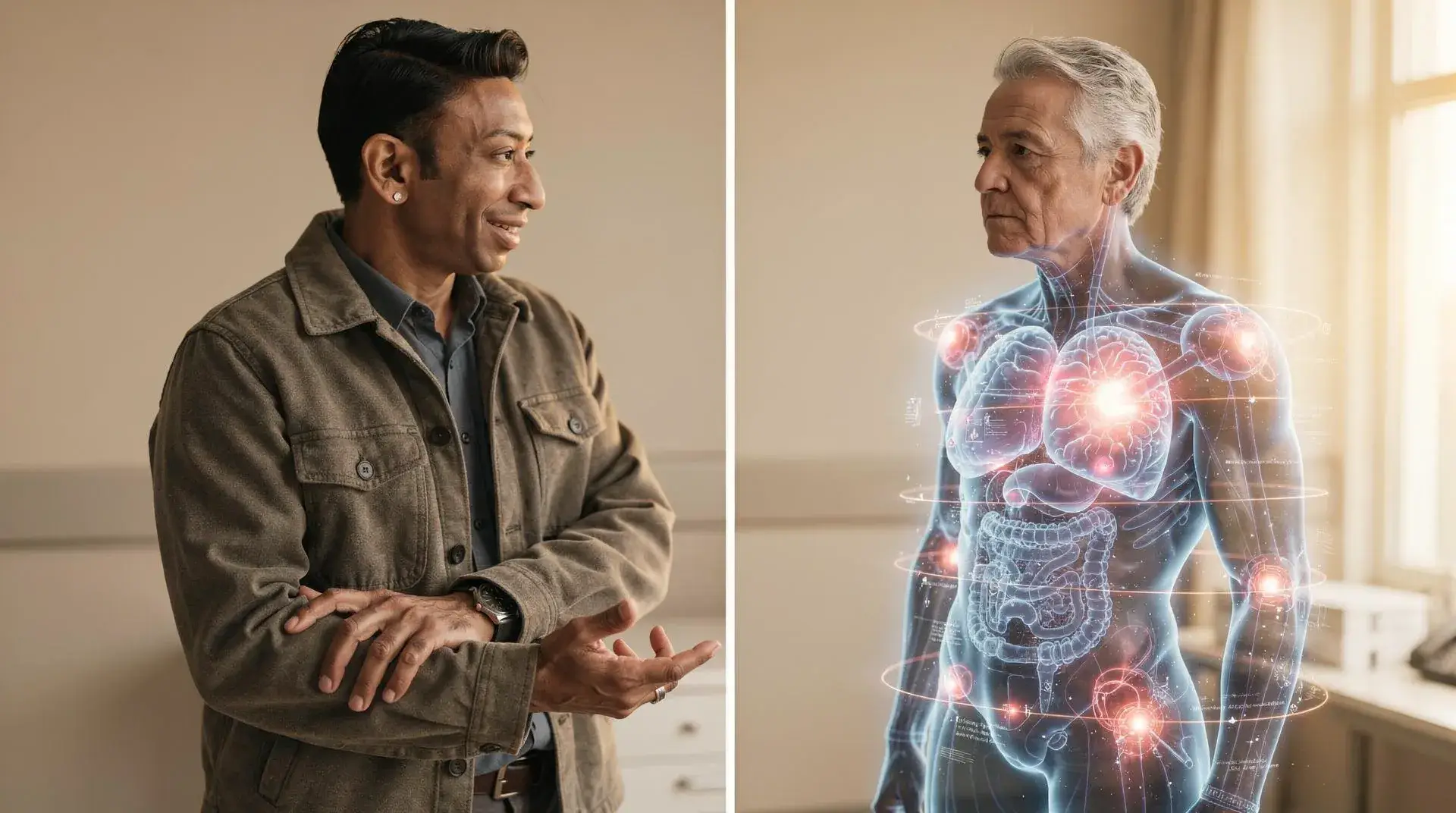
Functional Medicine, Without the Hype
Your labs are normal but your life is disappearing? Functional medicine’s real job isn’t supplements or hype. It’s finding what is actually happening in you.
-
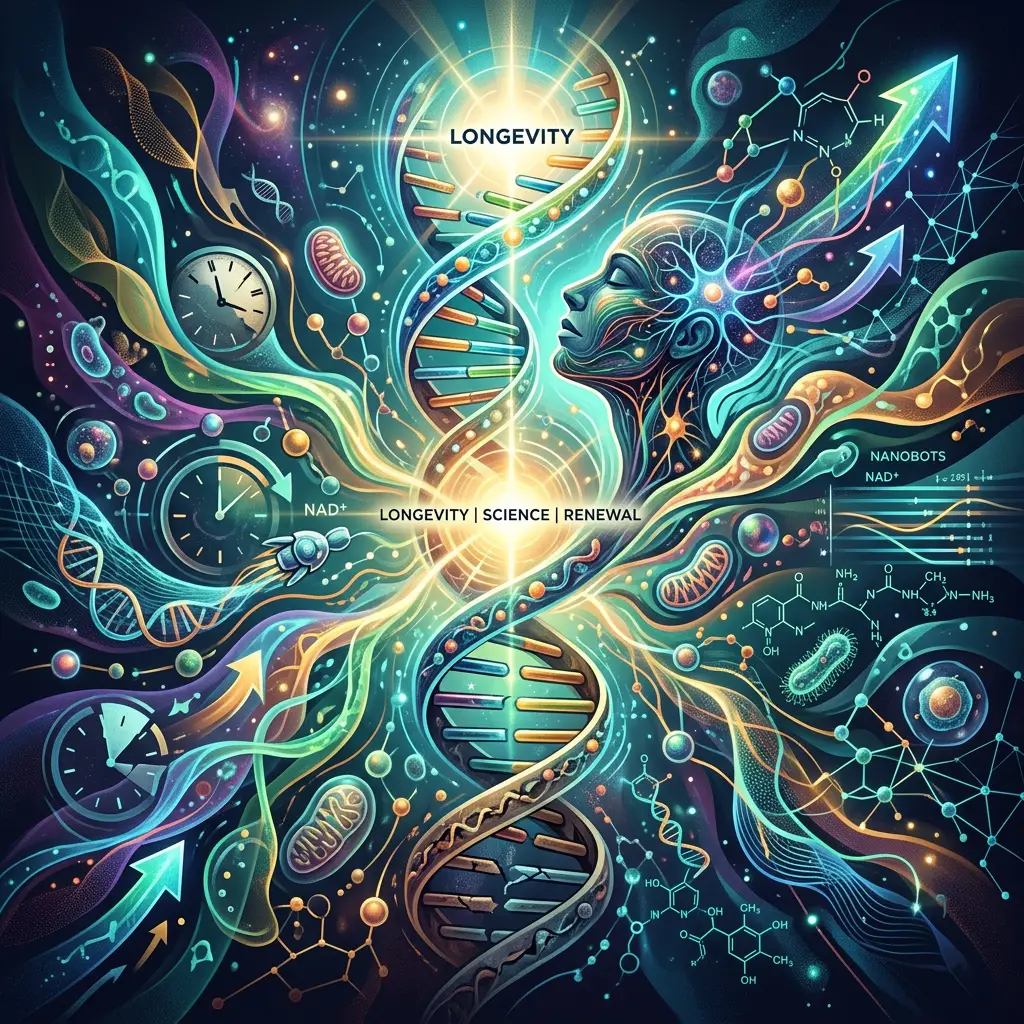
Longevity Medicine Isn’t About Living Longer
The longevity industry sells product. Medicine waits for disease. Real longevity medicine asks what is actually aging this specific person — and why.
-
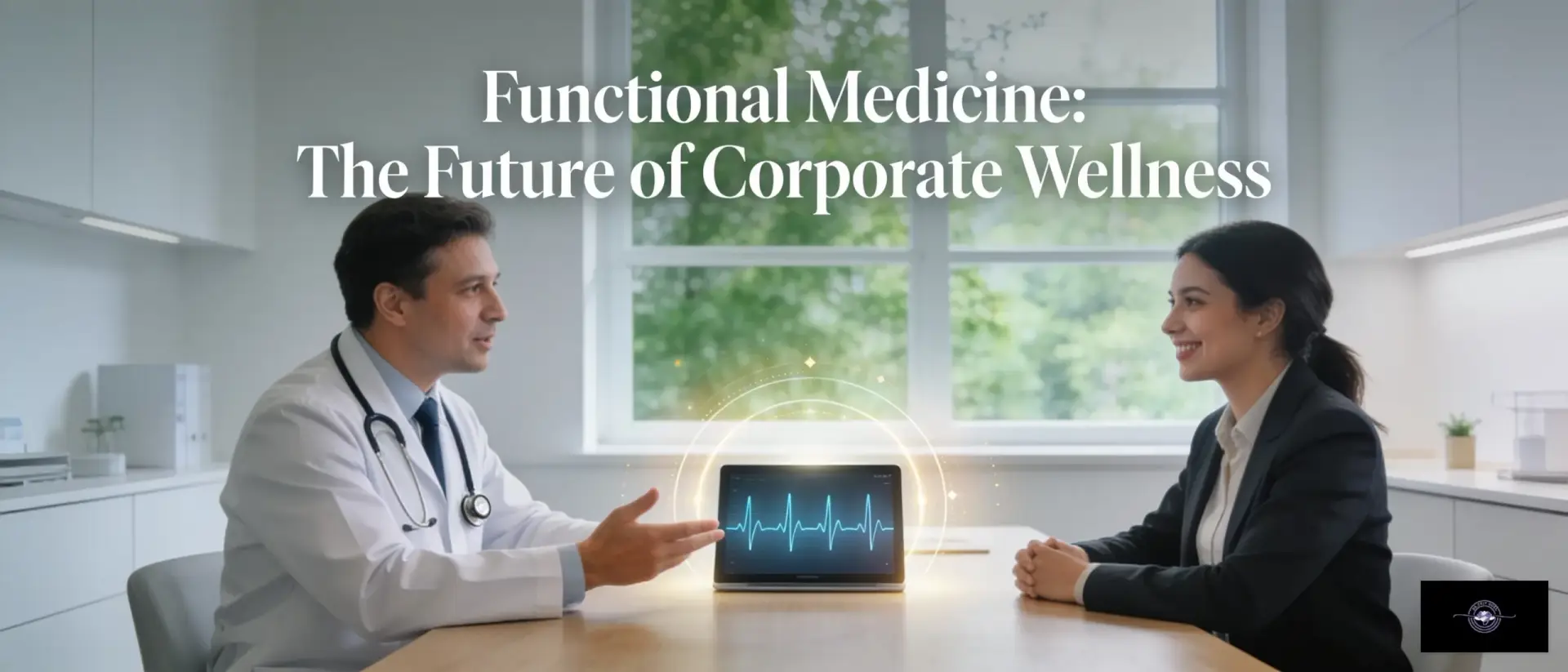
Functional Medicine: The Future of Corporate Wellness
Transform your workplace with functional medicine corporate wellness programs. Dr. Shiv Goel designs holistic employee health solutions in San Antonio
-
The Split: Healing Relationships and Reconnecting
Explore Healing the Split’s key concepts on integrating spirituality into mental illness understanding. Learn transformative insights from Dr. Shiv Goel.
-
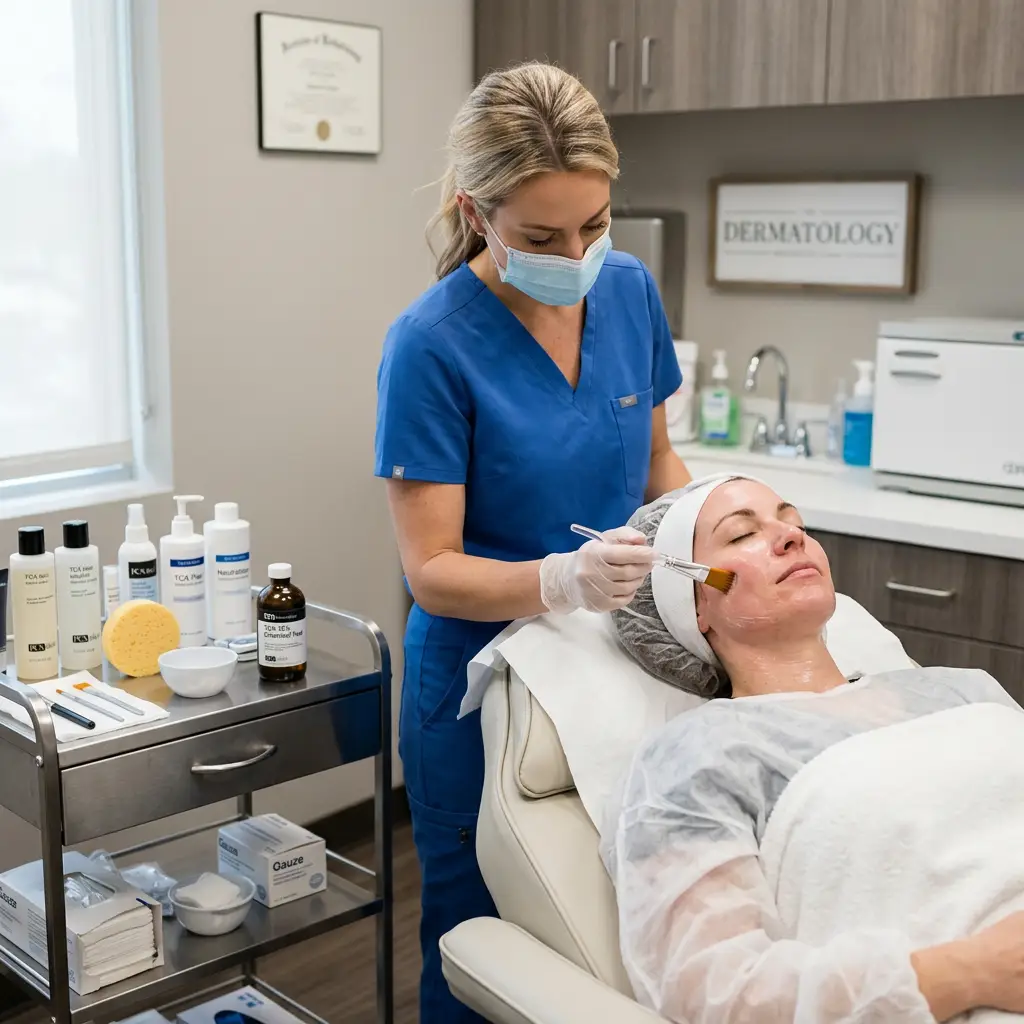
Chemical Peels for Exfoliation and Skin Renewal San Antonio
Revitalize your skin with professional chemical peels in San Antonio. Experience enhanced exfoliation and achieve a smoother, more radiant complexion today.
-

Semaglutide in San Antonio: Finding a Physician-Led Program That Goes Beyond the Prescription
Looking for semaglutide in San Antonio? Dr. Shiv Goel at Prime Vitality Care offers physician-led GLP-1 programs with full metabolic workup. Telehealth available nationwide.
-

Bioidentical Hormone Replacement Therapy (BHRT) Explained
BHRT plays a vital role in enhancing well-being, balancing hormones, and improving overall health. Learn how it can support a healthier lifestyle today.
-
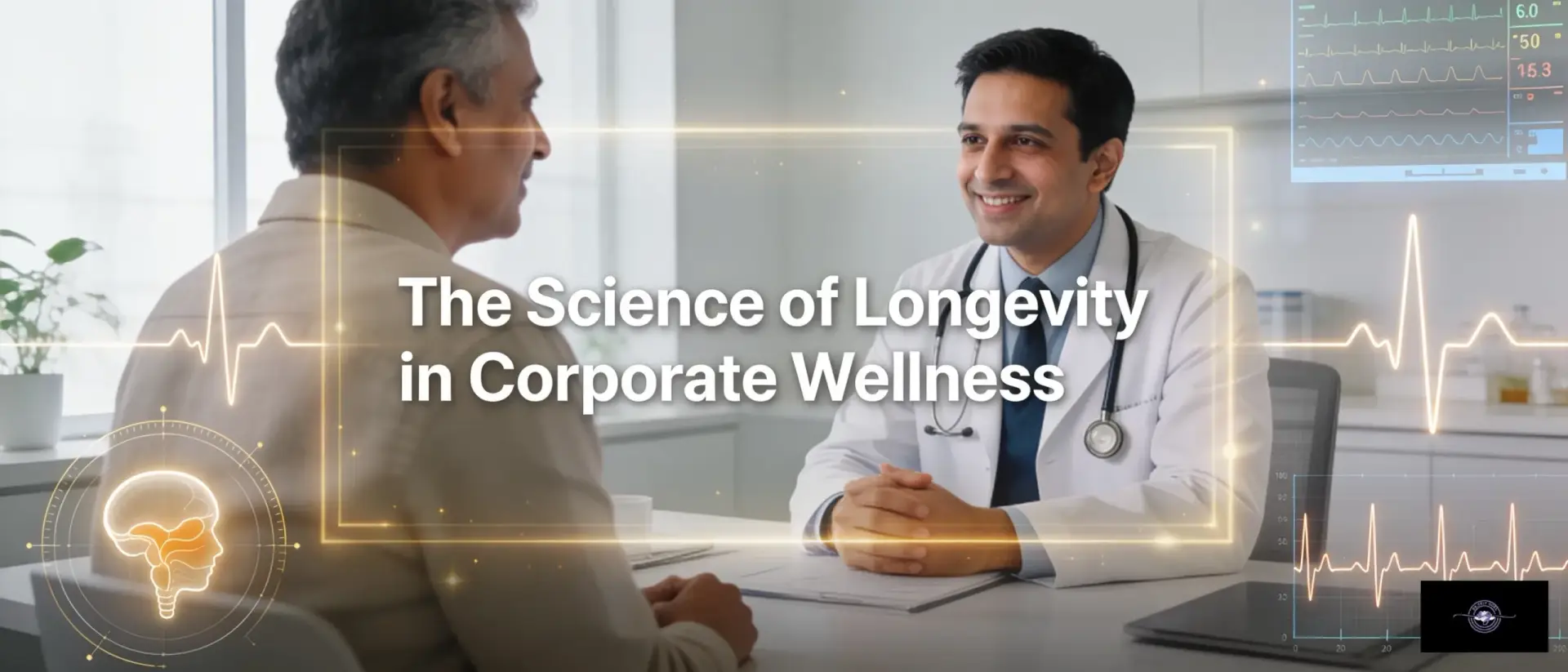
The Science of Longevity in Corporate Wellness
Discover the science of longevity and corporate wellness with keynote speaker Shiv Goel. Enhance employee vitality, performance, and health outcomes today.