
Tag: functional medicine
-

The GLP-1 Conversation Nobody Has With You First
Most GLP-1 conversations start with a prescription. Dr. Shiv Goel argues they should start with sleep, cortisol, and the question a patient never gets asked: what has this weight been protecting me from?
-
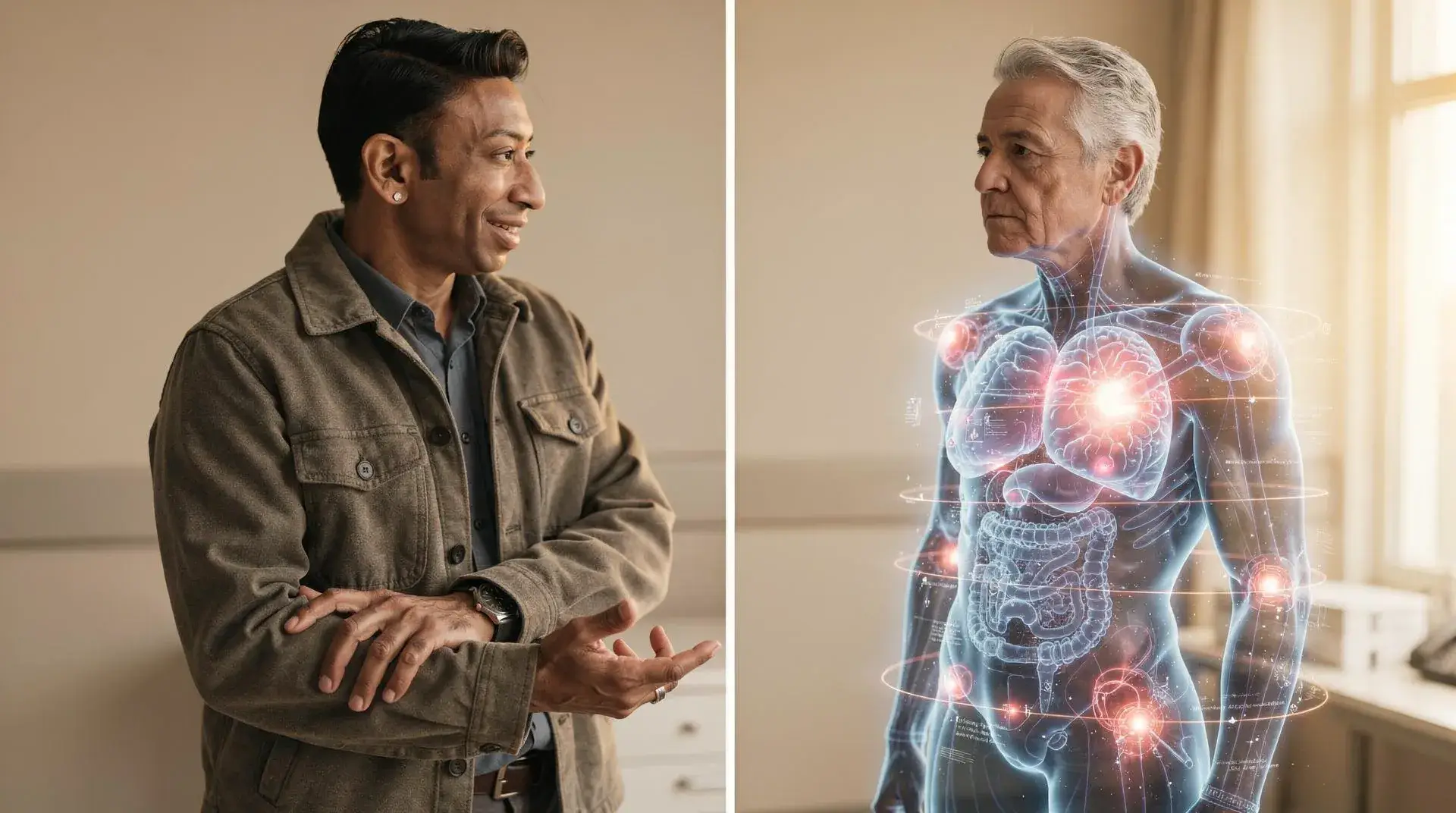
Functional Medicine, Without the Hype
Your labs are normal but your life is disappearing? Functional medicine’s real job isn’t supplements or hype. It’s finding what is actually happening in you.
-
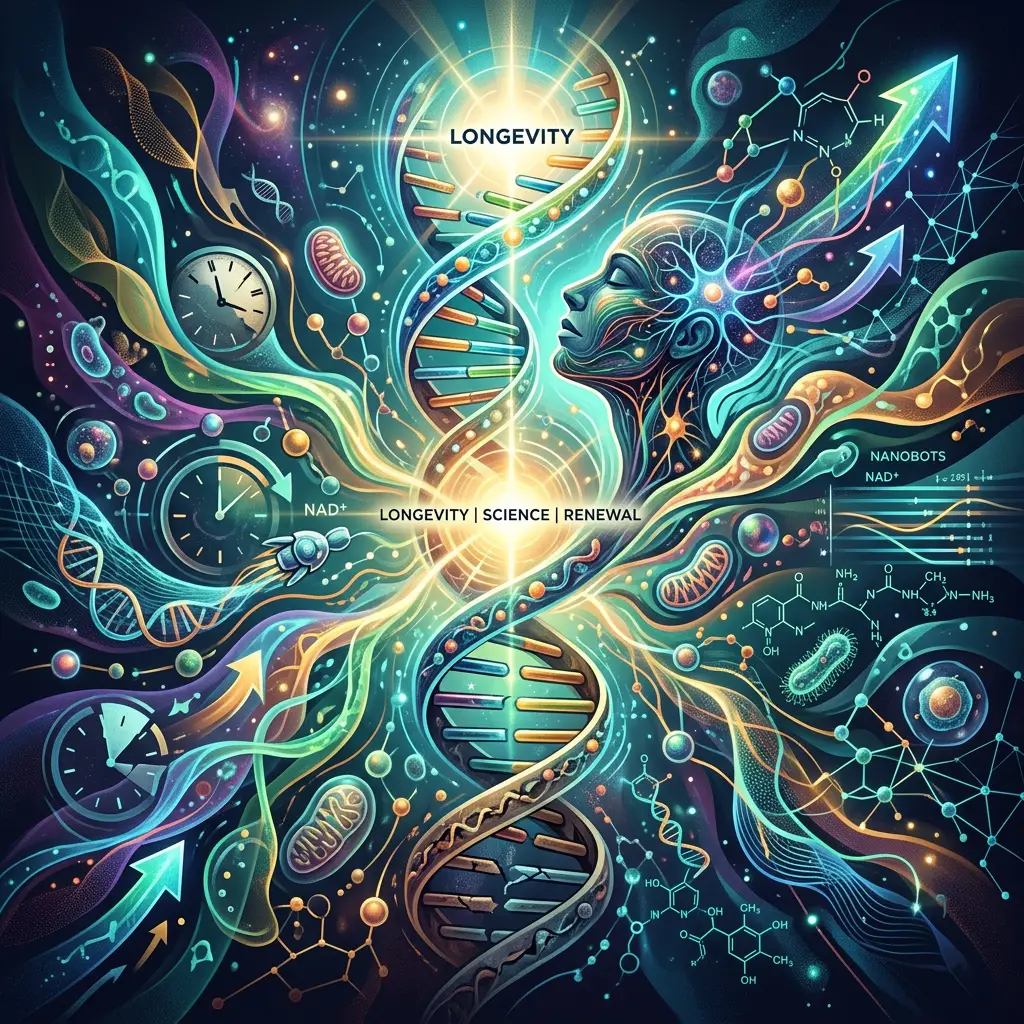
Longevity Medicine Isn’t About Living Longer
The longevity industry sells product. Medicine waits for disease. Real longevity medicine asks what is actually aging this specific person — and why.
-
Functional Medicine: The Future of Corporate Wellness
Transform your workplace with functional medicine corporate wellness programs. Dr. Shiv Goel designs holistic employee health solutions in San Antonio
-
Executive Coaching: Transform Your Leadership Today
Transform your leadership with executive coaching from Dr. Shiv Goel in San Antonio. Proven strategies for professional growth and personal development.
-
Functional Medicine: Core Principles and Clinical Approach
Discover functional medicine’s core principles and clinical approach with Dr. Shiv Goel. Learn how personalized care addresses root causes of illness in San
-
Dr. Shiv Goel: Speaker, Expert, Media Assets
Access Dr. Shiv Goel’s press kit, speaking topics, and media assets. Mount Sinai-trained physician specializing in longevity, hormone optimization
-

Why I Speak: The Keynote I Give to Healthy, Exhausted Rooms
Physician Dr. Shiv Goel on the keynote he gives to high performers whose labs are normal and whose lives are quietly unraveling.
-

Corporate-wellness-north-san-antonio-drshivgoel: Corporate Wellness
Corporate wellness programs in North San Antonio deliver measurable workforce health outcomes. Dr. Shiv Goel offers science-based functional medicine plans.